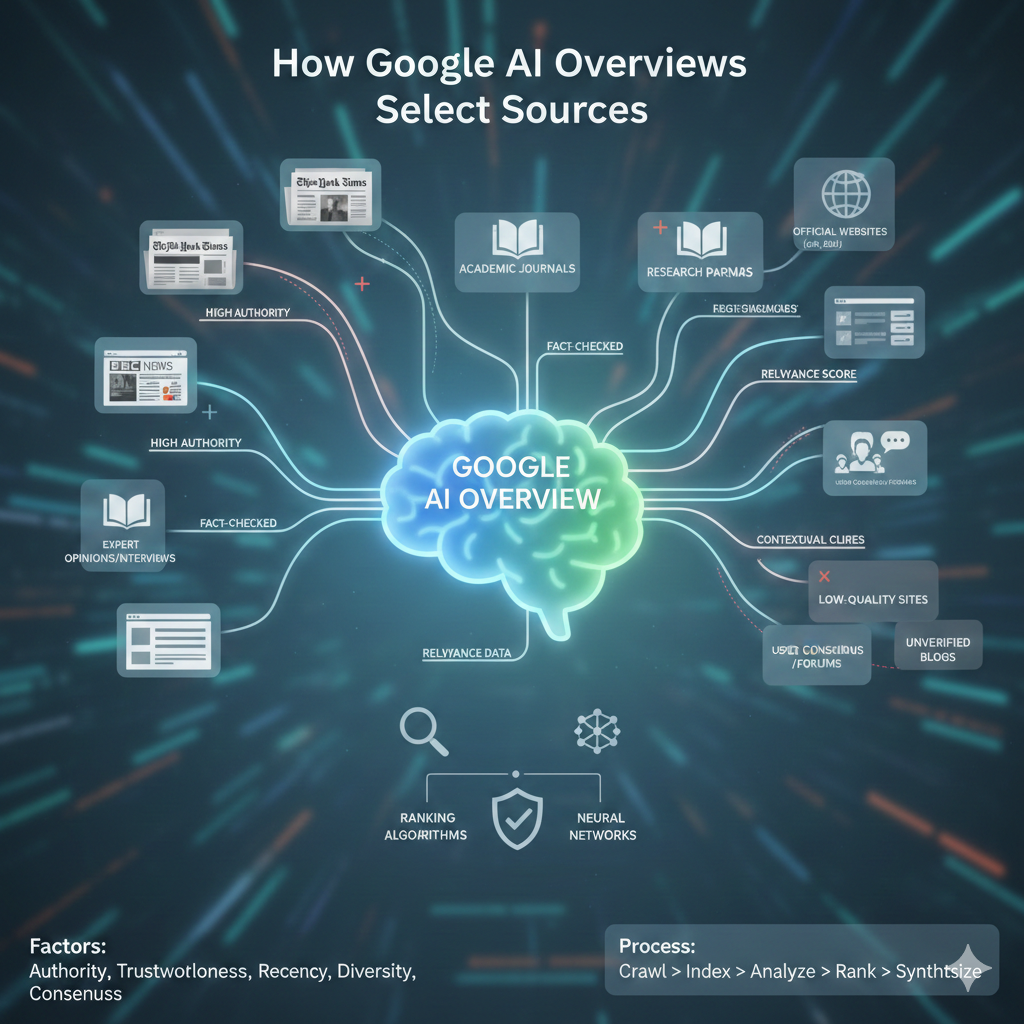
Search Engine Optimization (SEO) has existed for more than two decades, but SEO in 2026 is fundamentally different from what it was even a few years ago. Search engines are no longer simple “link matchers.” They are AI-driven systems designed to understand intent, entities, context, experience, and trust, as outlined in Google’s documentation on how search engines work and evaluate content.
For beginners, SEO often feels overwhelming and technical. For professionals, the challenge is keeping up with constant algorithm changes, AI-generated search results, and evolving user behavior. This guide explains what SEO is, how SEO works in 2026, and how to apply it practically.
Whether you are a student, marketer, founder, blogger, or SEO professional, this article will give you a clear, real-world understanding of modern SEO.
What Is SEO?
SEO (Search Engine Optimization) is the practice of improving a website and its content so it can be easily discovered, understood, trusted, and surfaced by search engines and AI-powered answer systems without paying for ads.
In simple terms:
SEO helps the right people find your content when they are actively looking for it.
However, in 2026, SEO is no longer limited to ranking traditional blue links on Google.
SEO Today Includes Visibility In:
- Google Search and Bing
- AI Overviews and generative answers
- Voice assistants and chatbots
- Google Discover
- YouTube and video search
- Community platforms and forums
Modern SEO is about search visibility everywhere users seek answers, not just rankings.
How Search Engines Work: Then vs Now
Understanding how search engines work is essential before learning how SEO works.
Traditional Search Engine Model
Historically, search engines followed three core steps:
- Crawling – Bots discover pages by following links
- Indexing – Pages are stored and categorized
- Ranking – Pages are ordered based on relevance and authority
These steps still exist in 2026—but what happens within them has changed drastically.
How Search Engines Work in 2026
Modern search engines now:
- Use machine learning models to interpret meaning, not just keywords
- Evaluate content quality, experience, and trust signals
- Combine multiple sources to generate direct AI answers
- Reduce reliance on exact keyword matching
- Prefer entities, topics, and relationships over isolated pages
This shift means SEO is no longer about manipulating algorithms—it’s about helping search systems understand real value.
Why SEO Still Matters in 2026
With the rise of AI-generated answers, zero-click searches, and voice assistants, a common question keeps coming up:
Is SEO still worth it in 2026?
The short answer is yes but the role of SEO has evolved. SEO is no longer just about ranking web pages; it is about being selected, cited, and trusted by search engines and AI systems.
1. Organic Search Is Still the Primary Traffic Driver
Despite changes in search interfaces, organic search continues to be the largest and most consistent source of website traffic across most industries.
Practical reality:
- Informational, commercial, and local searches still rely on organic results
- AI answers are often generated from top-ranking organic content
- Websites with strong SEO foundations benefit even when clicks reduce
In practice, brands that stop investing in SEO often see:
- Declining visibility
- Higher dependency on paid ads
- Reduced long-term traffic stability
SEO remains the backbone of sustainable digital visibility.
2. SEO Builds Long-Term, Compounding Growth
Unlike paid advertising, SEO is not rented visibility.
When done correctly:
- A well-optimized page can generate traffic for years
- Content improves as it gains authority, links, and engagement
- Rankings strengthen over time instead of resetting daily
Real-world example:
A single evergreen guide optimized for search intent can outperform years of paid ad spend in both traffic and conversions.
SEO is slow to start but powerful once it gains momentum.
3. Users Trust Organic Results More Than Ads
User behavior studies consistently show that:
- Organic results are perceived as more credible and unbiased
- Editorial and educational content earns more engagement
- Users actively skip ads when looking for answers
In 2026, trust matters more than ever. Search engines increasingly reward:
- Helpful, experience-driven content
- Transparent authorship
- Brands with consistent topical authority
SEO helps build trust before conversion, which paid ads cannot replace.
4. AI Systems Depend on SEO-Optimized Content
AI-powered search experiences do not create knowledge from scratch. They:
- Pull information from authoritative, crawlable web content
- Prefer structured, well-optimized pages
- Cite sources that demonstrate expertise and trust
This means:
- SEO content fuels AI answers
- Pages optimized for clarity, structure, and EEAT are more likely to be referenced
- Ignoring SEO reduces your chances of being included in AI-generated responses
In 2026, SEO directly impacts visibility beyond traditional clicks.
5. SEO Has Expanded Beyond Google Rankings
Modern SEO now supports visibility across:
- AI Overviews and generative answers
- Voice search and assistants
- Google Discover
- YouTube and video search
- Community and discussion platforms
SEO today is about presence across the entire search ecosystem, not just ranking position #1.
SEO has not disappeared.
It has evolved into a multi-surface visibility strategy.
The Core Pillars of SEO in 2026
Modern SEO is built on five interconnected pillars. Weakness in one limits the others.
1. Search Intent & User Understanding
Search intent is the reason behind a query.
In 2026, intent matters more than keywords.
Main Types of Search Intent:
- Informational – learning (e.g., “what is SEO”)
- Commercial – evaluating options (e.g., “best SEO tools”)
- Transactional – ready to act (e.g., “hire SEO consultant”)
- Navigational – reaching a brand or platform
Practical Example:
If someone searches “SEO checklist”, they expect:
- Clear steps
- Actionable tasks
- Not theory or history
If your content fails to satisfy intent, it will not rank—no matter how optimized it is.
2. Keyword Research (Topic-First SEO)
Keyword research still matters, but the approach has evolved.
Old SEO Approach:
- One keyword per page
- Exact-match obsession
- Over-optimization
SEO in 2026:
- One topic per page
- Multiple supporting queries
- Semantic and contextual coverage
What Modern Keyword Research Includes:
- Primary keyword (e.g., what is SEO)
- Supporting keywords (SEO basics, how SEO works)
- People-also-ask questions
- Long-tail and conversational queries
This approach helps search engines recognize topical authority.
3. Content Quality & Google E-E-A-T
Google evaluates content using E-E-A-T:
- Experience – first-hand usage or practical exposure
- Expertise – subject knowledge
- Authoritativeness – recognition and references
- Trustworthiness – accuracy, transparency, credibility
What EEAT-Aligned Content Looks Like in 2026:
- Written or reviewed by subject experts
- Includes real examples and workflows
- Updated regularly
- Transparent about authorship and sources
Thin, generic, or purely AI-generated content struggles to survive long-term.
4. Technical SEO & Page Experience
Technical SEO ensures search engines can access, crawl, and understand your site.
Key Technical SEO Factors:
- Fast loading speed
- Mobile-first design
- Clean URL structure
- Secure HTTPS
- XML sitemaps
- Proper indexing
Core Web Vitals Focus On:
- Loading performance
- Interactivity
- Visual stability
Even excellent content fails if technical foundations are weak.
5. Authority, Links & Brand Signals
Authority remains a core ranking factor—but it’s more nuanced now.
What Builds Authority in 2026:
- Relevant, high-quality backlinks
- Brand mentions (linked or unlinked)
- Consistent topical publishing
- Community engagement
- Reviews and reputation
One relevant link from a trusted source often outweighs dozens of low-quality links.
AI, SEO & Answer Engines
Search in 2026 is heavily influenced by AI.
How AI Changes SEO:
- Answers appear directly in search results
- Fewer clicks, higher competition for citations
- Only well-structured content gets referenced
How to Optimize for AI Answers:
- Clear H2 and H3 headings
- Direct question-answer formats
- Bullet points and definitions
- Logical content flow
- Schema markup where applicable
This is often called Answer Engine Optimization (AEO) or Generative Engine Optimization (GEO).
How SEO Works: Step-by-Step in 2026
SEO in 2026 is a structured and ongoing process, not a one-time task. Each step supports the next, and skipping any stage can limit results.
Step 1: Understand Audience Problems and Search Intent
Modern SEO starts with understanding why users search, not just what they type.
This means:
- Identifying user pain points
- Studying search results and People Also Ask questions
- Understanding what users expect from a page
For example, someone searching “what is SEO” expects clarity, relevance, and real-world context—not just a definition.
Step 2: Plan a Clear Content Structure
Before writing, organize the topic into logical sections.
A clear structure:
- Improves readability
- Helps search engines and AI systems understand the topic
- Increases the chance of appearing in AI-generated answers
Use H2s for main ideas and H3s for explanations or examples.
Step 3: Create Genuinely Helpful Content
In 2026, content is evaluated on usefulness and experience, not length.
Strong SEO content:
- Answers questions completely
- Uses simple, human language
- Includes practical examples where possible
Thin or purely generic content rarely performs well long term.
Step 4: Optimize On-Page Elements
On-page SEO helps search engines clearly understand your content.
Key elements include:
- Optimized title and meta description
- Proper headings (H1–H3)
- Internal links
- Image optimization
The goal is clarity—not keyword stuffing.
Step 5: Fix Technical SEO Issues
Technical SEO ensures your content can be crawled and indexed.
This includes:
- Fast loading pages
- Mobile-friendly design
- Clean URLs
- Correct sitemap and indexing setup
Even high-quality content can fail without a solid technical foundation.
Step 6: Build Authority and Trust
Search engines prioritize content from trusted sources.
Authority is built through:
- Relevant backlinks
- Brand mentions
- Consistent publishing within a niche
Quality and relevance matter more than quantity.
Step 7: Measure, Update, and Improve
SEO does not stop after publishing.
Regularly:
- Monitor performance in Google Search Console
- Update outdated sections
- Expand content based on new queries
SEO improves through continuous refinement.
Pros and Cons of SEO in 2026
| Pros of SEO | Cons & Limitations of SEO |
|---|---|
| Sustainable traffic – Once a page ranks well, it can drive organic traffic consistently over a long period without ongoing ad spend. | Takes time to show results – SEO is a long-term strategy and usually requires 3–6 months or more to see meaningful outcomes. |
| High trust and credibility – Users tend to trust organic search results more than paid advertisements, especially for informational queries. | Highly competitive niches – Industries like finance, health, and SaaS require strong authority, patience, and consistent effort. |
| Cost-effective in the long run – Although SEO needs upfront investment, the cost per lead decreases over time compared to paid ads. | Algorithm updates can impact rankings – Search engine updates may affect visibility, especially if outdated or risky tactics are used. |
| Compounding growth – Each optimized page strengthens overall website authority, making future content easier to rank. | Not all searches result in clicks – AI answers and featured snippets sometimes satisfy users without a website visit. |
| Supports all marketing channels – SEO improves the performance of content marketing, paid campaigns, email, and brand discovery. | Requires continuous maintenance – Content updates, technical fixes, and monitoring are necessary to stay competitive. |
FAQs
Is SEO still relevant in 2026?
Yes. SEO is still highly relevant in 2026, but its role has expanded. Search engines and AI systems rely on well-structured, trustworthy content to deliver accurate answers. SEO helps websites stay visible across organic search, AI-generated results, voice assistants, and discovery platforms, making it essential for long-term, sustainable digital growth.
How long does SEO take to work?
SEO typically shows early progress within three to six months, depending on competition, website authority, and execution quality. Initial improvements may appear as higher impressions and rankings, while consistent traffic growth takes longer. Because SEO builds trust and authority over time, results strengthen gradually rather than appearing instantly.
Can AI replace SEO?
No. AI cannot replace SEO because AI systems depend on high-quality, structured, and optimized content sourced from the web. Without SEO, content is harder for AI to discover, understand, and cite. Instead of replacing SEO, AI increases the importance of clear structure, accuracy, and authority in content creation.
Is SEO only for Google?
No. SEO is no longer limited to Google alone. In 2026, SEO also supports visibility across AI-powered search tools, voice assistants, video platforms like YouTube, community forums, and discovery feeds. Optimizing content helps ensure consistent visibility wherever users search for information or recommendations.